In House vs Digital Agency: A Complete Guide to Making the Right Choice (2025)
Did you know that 77% of businesses fail to reach their marketing goals due to poor resource allocation? We've been in countless boardroom discussions where this crucial question comes up: should you build an in-house marketing team or partner with a digital agency? It's not just about cost - it's about finding the right fit for your unique business needs. Let's dive into everything you need to know to make this critical decision!
Understanding the Core Differences Between In-House Teams and Digital Agencies
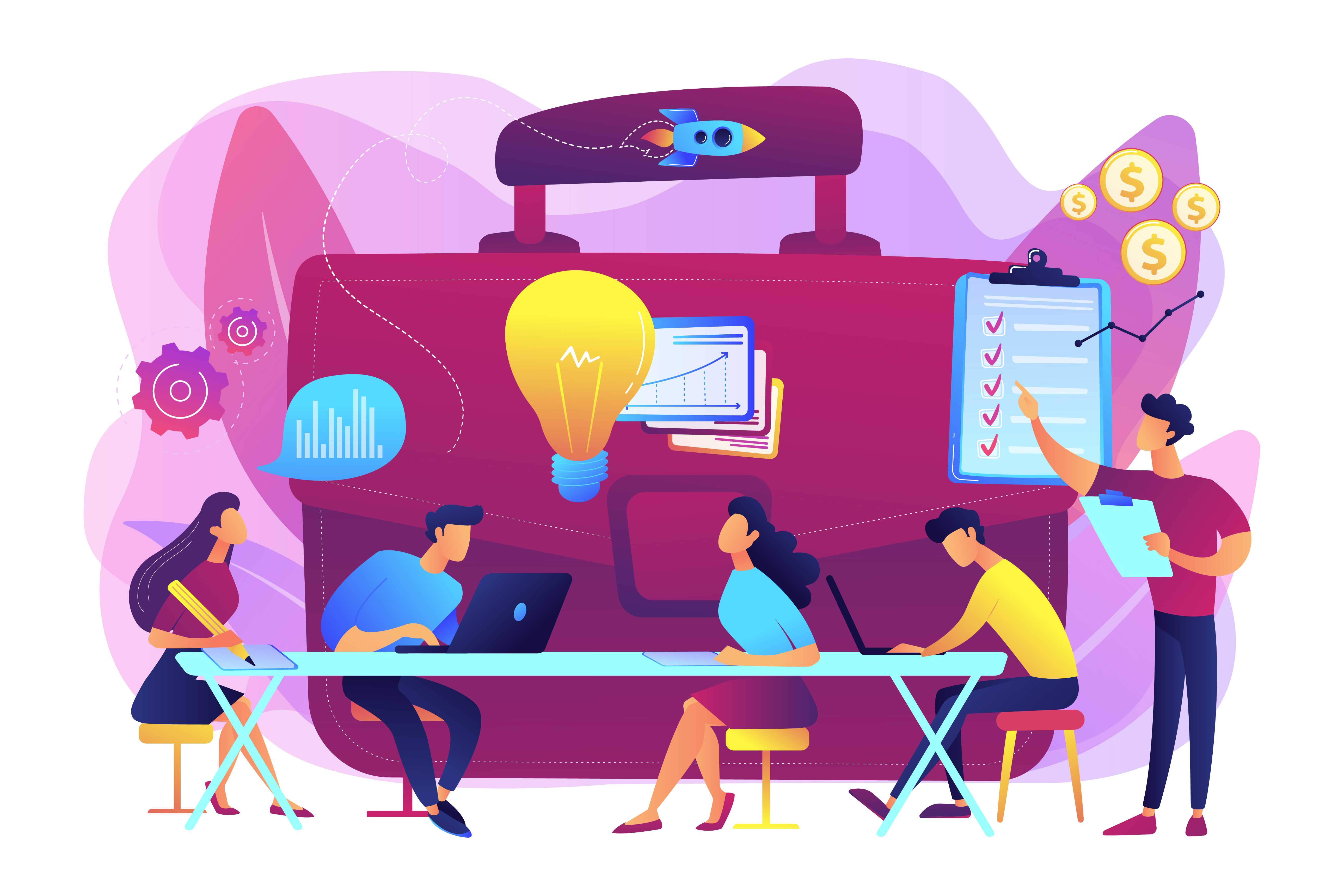
Think of an in-house team as your dedicated marketing family and a digital agency as your specialized consultants. We've seen both models succeed brilliantly - and fail spectacularly. The key difference? It's all about alignment and execution.
In-house teams live and breathe your brand every day. They're right there in the trenches, understanding every nuance of your business culture. The morning coffee chats often turn into impromptu brainstorming sessions, and that kind of organic collaboration is priceless! However, we've noticed that in-house teams can sometimes develop tunnel vision, missing out on broader industry trends.
Digital agencies, on the other hand, bring a wealth of cross-industry experience to the table. They've seen what works (and what doesn't) across multiple clients and sectors. Plus, they often have access to enterprise-level tools and specialized expertise that might be too expensive for a single company to maintain.
One fascinating trend we've observed: companies that achieve the best results often start with a hybrid approach. They might have a core in-house team handling day-to-day operations while partnering with agencies for specialized campaigns or technical implementations.
Cost Analysis: Breaking Down the Financial Impact
Let's talk numbers - because this is often where things get interesting! A mid-level marketing manager might cost you $75,000-$95,000 annually, plus benefits, training, and overhead. That's before you add specialists like designers, content writers, or SEO experts to the mix.
With agencies, you're typically looking at retainers ranging from $3,000 to $25,000 monthly, depending on service scope. But here's what many don't consider: agencies often bring entire teams of specialists for less than the cost of two full-time employees.
The real eye-opener comes when we look at tool costs. We've seen companies spend upwards of $50,000 annually just on marketing software subscriptions. Agencies often include access to these tools within their retainer fees - a hidden value many overlook!
Scalability and Flexibility Factors
This is where things get really interesting! We've watched numerous businesses struggle with scaling their marketing efforts during rapid growth phases. In-house teams often hit a bandwidth wall - hiring and training new staff takes time you might not have.
Digital agencies can typically scale resources up or down within weeks, sometimes days. They maintain a bench of talent ready to deploy, which can be a game-changer during seasonal peaks or unexpected opportunities.
However, we've learned that flexibility isn't just about bandwidth. It's about adapting to market changes and new technologies. In-house teams excel at quick, small adjustments but might struggle with major pivots. Agencies often bring fresh perspectives and ready-to-deploy solutions from other industries.
Expertise and Specialization Considerations
Here's something that might surprise you: the average digital marketing professional needs to stay current with over 20 different platforms and technologies! It's practically impossible for a small in-house team to maintain deep expertise across all areas.
We've found that successful in-house teams usually excel in 2-3 core areas while partnering with specialists for everything else. Digital agencies, meanwhile, can maintain dedicated experts in numerous specialties because they spread the cost across multiple clients.
One trend we've noticed: the most successful companies often have in-house teams focused on strategy and brand voice, while leveraging agency partnerships for technical execution and specialized campaigns.
Making the Final Decision: Assessment Framework
After years of helping businesses with this decision, we've developed a simple framework. Ask yourself these questions:
- Budget Reality: Can you afford at least 3-4 full-time marketing professionals?
- Core Competency: Is marketing a key differentiator in your industry?
- Culture Impact: How important is deep cultural understanding to your marketing success?
- Growth Plans: How quickly do you need to scale marketing efforts?
- Technical Needs: How many specialized skills does your marketing require?
The most successful implementations we've seen often start with a hybrid approach: build a small, strategic in-house team and partner with agencies for specialized execution.
Conclusion
Remember, this isn't a permanent decision! Your marketing needs will evolve as your business grows. We've seen companies successfully switch between models or adopt hybrid approaches as their needs change. The key is to start with a clear understanding of your current needs while maintaining flexibility for future growth.
Are you currently working with an in-house team or agency? What challenges have you faced? Share your experiences in the comments below - we'd love to hear your perspective on the in-house vs digital agency debate!
Pro Tip: Many businesses start with a hybrid model: a small in-house team handling day-to-day operations while partnering with agencies for specialized campaigns or technical implementations. This approach often provides the best of both worlds!

2 Comments
Alison M. Reply
Great hook! Consider briefly specifying how poor resource allocation impacts marketing goals to add clarity.
AmandalineeLaXc Reply
Can you guess what I’m craving right now? - https://rb.gy/es66fc?Seelivem