
The Power of Storytelling in Digital Marketing: Your Guide to Standing Out in 2025
Remember the last time a marketing message truly moved you? I bet it wasn't a bullet-point list of features – it was a story that resonated with you personally. After spending a notable amount of time in digital marketing, I've learned that the most powerful way to cut through the noise isn't with louder ads or flashier designs – it's with authentic storytelling that connects on a human level.
Why Storytelling Matters in Today's Digital Landscape
Let me share something that changed my perspective entirely. Last year, I worked with a small coffee shop that was struggling to compete with big chains. Instead of promoting their premium beans or competitive prices, we shared the story of how the owner learned to roast coffee from his grandmother in Colombia. Their social media engagement tripled within a month, and customers started coming in specifically mentioning the story they'd read online.
Digital marketing has evolved far beyond simple promotional messages. Today's consumers are bombarded with around 4,000 to 10,000 ads daily! Yet they remember only a tiny fraction of these. The ones that stick? They're almost always wrapped in compelling stories.
Connecting on a Human Level Through Stories
The magic of storytelling in marketing isn't just about entertainment – it's about creating genuine connections. Think about it: when was the last time you felt emotionally moved by a feature list? That's right – probably never!
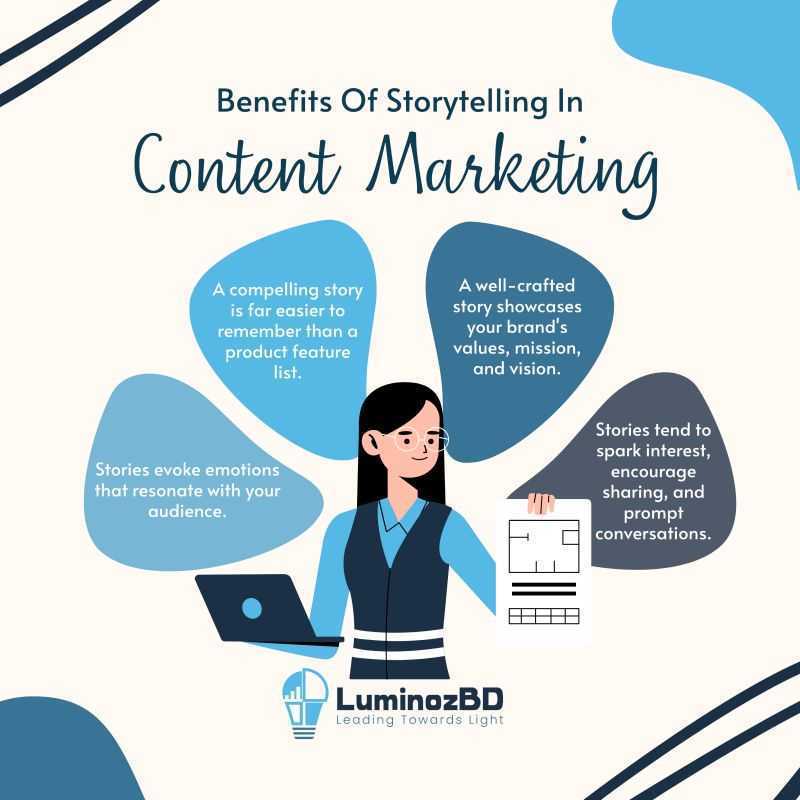
Here's what makes storytelling so powerful for human connection:
- Stories trigger emotional responses. When we hear a good story, our brains release oxytocin, often called the "trust hormone." I've seen this in action when a tech client shared the story of how their app helped an elderly user reconnect with their grandchildren during the pandemic. The response was overwhelming – people weren't just interested in the app; they were emotionally invested in its impact.
- Stories make your brand relatable. By sharing your challenges, failures, and victories, you create points of connection with your audience. I once helped a fitness brand share their founder's personal struggle with weight loss, and the authenticity of that story created a community of supporters who saw themselves in that journey.
Making Your Message Memorable
Think about your favorite advertisements from the past year. Chances are, they told a story that stuck with you. Here's how to make your marketing messages more memorable through storytelling:
- Focus on the journey, not just the destination. Share the process, the setbacks, and the breakthrough moments. One of my clients, a sustainable fashion brand, documented their entire journey of finding ethical suppliers. This transparency resonated so strongly with their audience that they built a loyal following before even launching their first product.
- Use customer stories to showcase real impact. Nothing beats the authenticity of a customer sharing how your product or service changed their life. I've seen conversion rates increase by up to 30% when we incorporated detailed customer success stories into marketing campaigns.
Authenticity and Consistency in Storytelling
Here's a truth bomb – your audience can spot inauthentic storytelling from a mile away. I learned this lesson early in my career when a client insisted on creating fictional customer stories. The backlash was immediate and harsh. Instead, focus on:
- Real stories from real people
- Genuine brand values and missions
- Transparent communication about both successes and failures
- Consistent messaging across all platforms
Crafting Effective Calls to Action Through Story
The best stories lead naturally to action. I've found that storytelling can increase click-through rates by up to 40% when done right. Here's how to make it work:
- Build tension throughout your story
- Create an emotional connection with your audience
- Present your product or service as a natural solution
- Make the next step clear and compelling
Pro Tips for Story-Based Content Planning
After years of helping brands develop their storytelling strategies, here are my top tips:
- Create a Story Bank: Keep a collection of customer testimonials, employee stories, and brand milestones. This becomes your content goldmine.
- Develop Story Themes: Identify 3-4 core themes that align with your brand values and audience interests. For example, a sustainable clothing brand might focus on environmental impact, ethical manufacturing, and personal style journeys.
- Map Stories to the Customer Journey: Different types of stories work better at different stages of the customer journey. Awareness stage? Share origin stories. Consideration stage? Feature customer success stories.
Measuring Storytelling Success
Don't forget to track the impact of your storytelling efforts. Look for:
- Engagement metrics (comments, shares, time on page)
- Emotional responses in comments
- Brand sentiment changes
- Conversion rates on story-based content
- Customer feedback and testimonials
Final Thoughts
In today's digital landscape, standing out isn't about shouting the loudest – it's about telling stories that resonate deeply with your audience. Start by identifying your core brand stories, share them authentically across your channels, and always keep your audience's journey in mind.
Remember, every brand has stories worth telling. The key is finding yours and sharing it in a way that connects, engages, and inspires action. Whether you're a startup or an established brand, storytelling can transform your digital marketing from forgettable to unforgettable.
Ready to start telling your brand's story? Begin by documenting the pivotal moments in your journey, gathering customer testimonials, and identifying the values that drive your brand. Your audience is waiting to hear your story – make it count!



1 Comment
Max Bond Reply
Nice Tips! Thanks Faysal.