Why Isn't My Website Converting Visitors? 12 Common Issues and Solutions
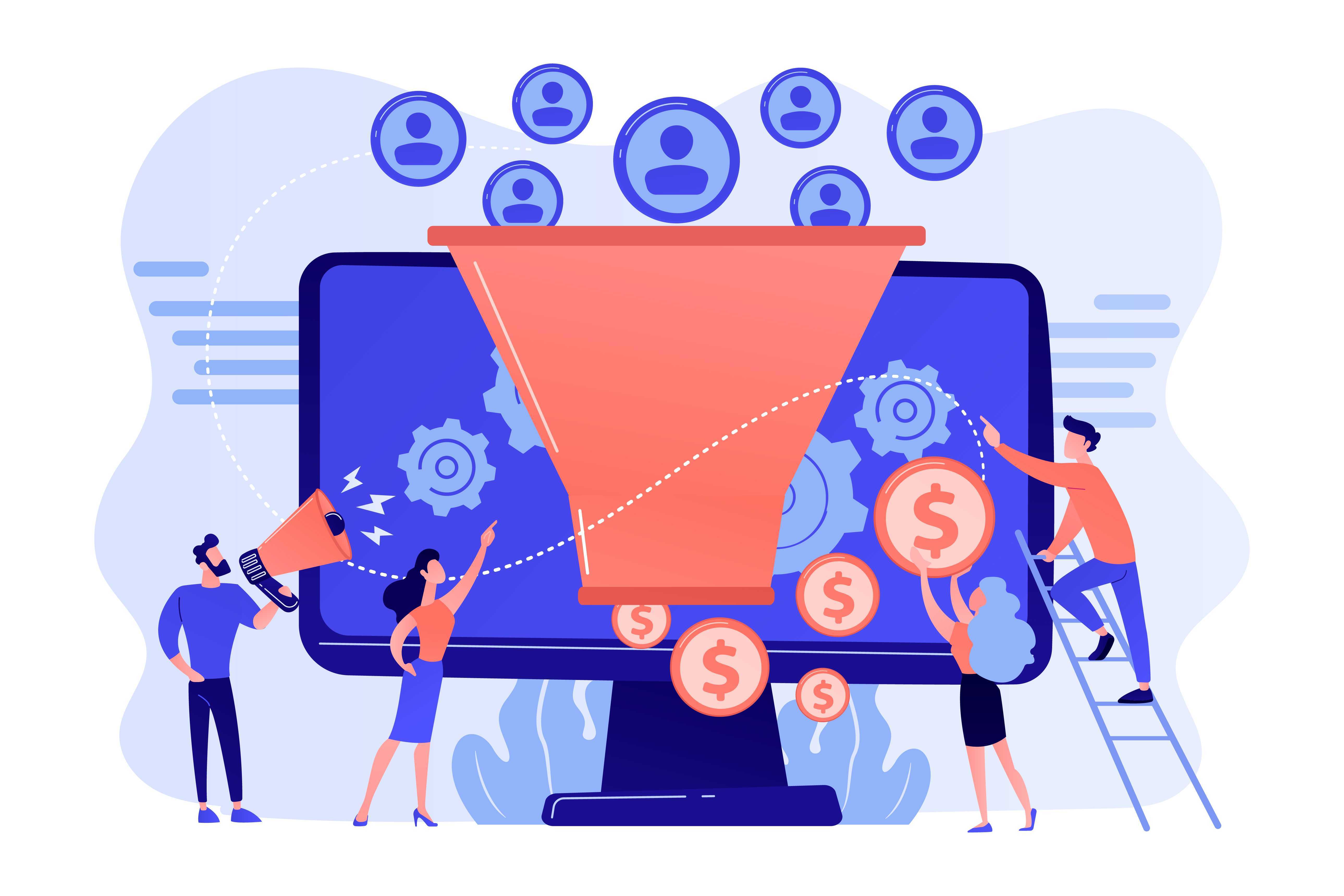
Are you scratching your head wondering why your website traffic isn't turning into customers? You're not alone! A recent study by WordStream found that the average website conversion rate across industries is just 2.35%, with the top 25% of sites converting at 5.31% or higher. Whether you're running an e-commerce store, a SaaS platform, or a lead generation site, understanding why visitors aren't converting is the first step to fixing the problem. Let's dive into the most common issues and, more importantly, how to solve them!
1. Slow Page Load Times Are Killing Your Conversions
Slow page load times can significantly impact your website’s ability to convert visitors. Studies show that 40% of visitors abandon websites that take longer than 3 seconds to load. For e-commerce sites, every 100ms delay results in a 7% drop in conversion rates.
To combat slow load times, optimize your images by compressing them without losing quality. Enable caching to reduce server load and use a Content Delivery Network (CDN) to distribute content faster. Additionally, tools like Google PageSpeed Insights, GTmetrix, and Pingdom can help you monitor and improve performance. Prioritize mobile page speed optimization, as mobile-first design is critical in today’s digital landscape.
2. Your Value Proposition Isn't Clear
A clear value proposition is essential for capturing visitor attention. Within 5 seconds, visitors should understand your unique selling points (USPs). Vague or jargon-heavy messaging can confuse users and drive them away.
To optimize your value proposition, use customer-focused language that aligns with visitor intent. Avoid making common mistakes such as overcomplicating your message. Conduct A/B testing to refine your headline and subheadings. For inspiration, look at effective examples like Apple’s “Think Different” or Slack’s “Be more productive at work with less effort.”
3. Poor User Experience Design
User experience (UX) design plays a critical role in conversions. Navigation problems, such as overcomplicated menus, can frustrate visitors and lead to drop-offs. Mobile responsiveness issues can further alienate users accessing your site on different devices.
To improve UX, focus on creating a seamless navigation structure and a responsive design that works across all platforms. Use visual hierarchy to guide users to conversion points and simplify forms to enhance completion rates. These steps will create a user-friendly interface that encourages visitors to take action.
4. Trust Signals Are Missing or Weak
Trust is a significant factor in driving conversions. If your website lacks essential trust signals like testimonials, SSL certificates, and security badges, visitors may hesitate to engage.
To build credibility, prominently display trust elements such as client logos, case studies, and real user reviews. Implement social proof optimization by showcasing testimonials in strategic locations without overwhelming users. Trust badges and SSL certificates can also reassure visitors about the security of their data.
5. Ineffective Call-to-Action (CTA) Strategy
An ineffective CTA strategy can derail your conversion efforts. High-converting CTAs use action-oriented language, such as “Get Started Now” or “Claim Your Free Trial.” Placement, color, and design also play a crucial role in driving clicks.
Optimize your CTAs by placing them above the fold and on high-traffic pages. Experiment with button colors and ensure they contrast with the background. Conduct A/B testing to determine which designs and placements yield the best results. Clear and compelling CTAs encourage visitors to take the desired action.
6. Your Forms Are Too Complex
Complex forms can discourage visitors from completing them, directly affecting conversion rates. The more fields you include, the higher the likelihood of abandonment.
Simplify your forms by minimizing the number of required fields and focusing only on essential information. Use smart forms that autofill data where possible. For mobile users, design touch-friendly forms and include progress indicators for multi-step processes. These adjustments can significantly increase form completion rates.
7. Landing Page Misalignment
A lack of alignment between ads and landing pages can confuse visitors and reduce conversions. Ensure message match by using the same language and visuals in your ads and landing pages.
To optimize landing pages, focus on benefit-driven headlines and compelling CTAs. Use tools like heat mapping to understand user behavior and identify areas for improvement. By maintaining consistency and relevance, you can improve the effectiveness of your landing pages.
8. Pricing and Shipping Issues
Pricing and shipping concerns are common barriers to conversions. Hidden costs, such as high shipping fees, often lead to cart abandonment.
To address these issues, be transparent about pricing and highlight the value customers receive. Offer free shipping or clearly communicate shipping costs upfront. Flexible payment options and transparent policies can also reduce objections and boost conversions.
9. Poor Mobile Experience
A poor mobile experience can hinder your website’s conversion potential. Mobile users expect fast loading times, intuitive navigation, and touch-friendly interfaces.
Ensure your website is responsive and optimized for all devices. Use mobile-specific CTAs that are easy to tap and design forms that are simple to complete. Prioritize mobile-first design principles to meet the needs of today’s users.
10. Lack of Clear Next Steps
If visitors don’t know what to do next, they’re unlikely to convert. Clear navigation paths and progress indicators can help guide users through the conversion funnel.
Use user journey mapping to identify friction points and implement solutions. Limit decision paralysis by reducing the number of choices visitors face. Employ exit-intent strategies, such as pop-ups, to retain visitors who are about to leave.
11. Technical Issues and Broken Elements
Technical problems, such as broken links and error pages, can disrupt the user experience and harm conversions. Regular maintenance is essential to ensure everything functions as intended.
Use tools like SEMrush and Screaming Frog to identify and fix technical issues. Conduct cross-browser testing to ensure consistent performance across different platforms. By addressing technical barriers, you’ll provide a smoother experience for your visitors.
12. Not Testing and Optimizing
Failing to test and optimize your website can lead to missed opportunities for improvement. A/B testing and multivariate testing are crucial for understanding what works and what doesn’t.
Prioritize high-traffic pages and test key elements like headlines, CTAs, and layouts. Use tools like Optimizely or Google Optimize to run experiments. Analyze the results and make iterative improvements to enhance your conversion rate. Regular testing ensures that your website continues to perform effectively.
Conclusion
Improving your website's conversion rate isn't about following a rigid checklist - it's about understanding your visitors and systematically removing the barriers that prevent them from taking action. We've covered a lot of ground here, from technical optimizations to psychological triggers that influence buying decisions.
The key is to start with the most critical issues for your specific situation. Look at your analytics data to identify where visitors are dropping off, then use the strategies we've discussed to address those pain points. Remember, even small improvements in conversion rates can lead to significant increases in revenue.
Ready to take action? Here's your game plan:
- Audit your current website against each of these issues
- Prioritize the problems that are most likely affecting your conversions
- Implement changes systematically
- Test and measure the results
- Keep optimizing based on data
The most successful websites aren't built on guesswork - they're the result of continuous testing, measuring, and improving. Start implementing these changes today, and you'll be well on your way to better conversion rates and more satisfied customers!

0 Comment